
Which home improvements deserve attention before you sell?

Preparing a home can produce a long list of possible jobs. Some affect how the property functions, while others simply change its appearance. Before choosing paint colours or replacing fittings, step back and consider what a buyer needs to understand. In an established West Auckland house or a newer townhouse, the best starting point is the same: make the home easy to inspect and address the matters that deserve proper attention.
Separate maintenance from decoration
Start with a walk through the property and record anything that needs investigation or repair. A sticking door, damaged gutter or unexplained patch of damp should not be treated as a styling issue. Establish the cause before deciding what work is appropriate. Where a job requires specialist knowledge, seek a suitably qualified tradesperson rather than assuming a cosmetic change will resolve it.
Give particular thought to areas where water could be involved. Kitchens, bathrooms, exterior joinery and drainage all deserve an honest look. The purpose is to understand the home’s condition and arrange appropriate work, not to make defects less noticeable. Keep any relevant records of inspections and completed repairs together so they are available when questions arise during preparation or a viewing.
Once maintenance is understood, assess decoration separately. Scuffed paint or tired curtains may affect the first impression, but they do not automatically justify replacing an entire room. A modest, consistent finish can make the property easier to view. Before starting a larger project, consider the disruption, the work needed to finish it properly and whether it will actually improve everyday use.
Improve how existing rooms work
Look at the floor plan through the eyes of someone entering for the first time. Can they see how to move between living areas? Is a doorway blocked by furniture? A room can feel awkward because of its arrangement rather than its dimensions. Try moving or removing items before deciding the space needs building work. Keep essential furniture so the room’s purpose remains clear.
Storage also benefits from a practical review. Buyers need to see the cupboards and understand how much usable space is there. Clear items away from access points and avoid filling every shelf to the edge. You do not need to create an artificial display. Orderly storage simply makes it easier to inspect the home and picture where everyday belongings might go.
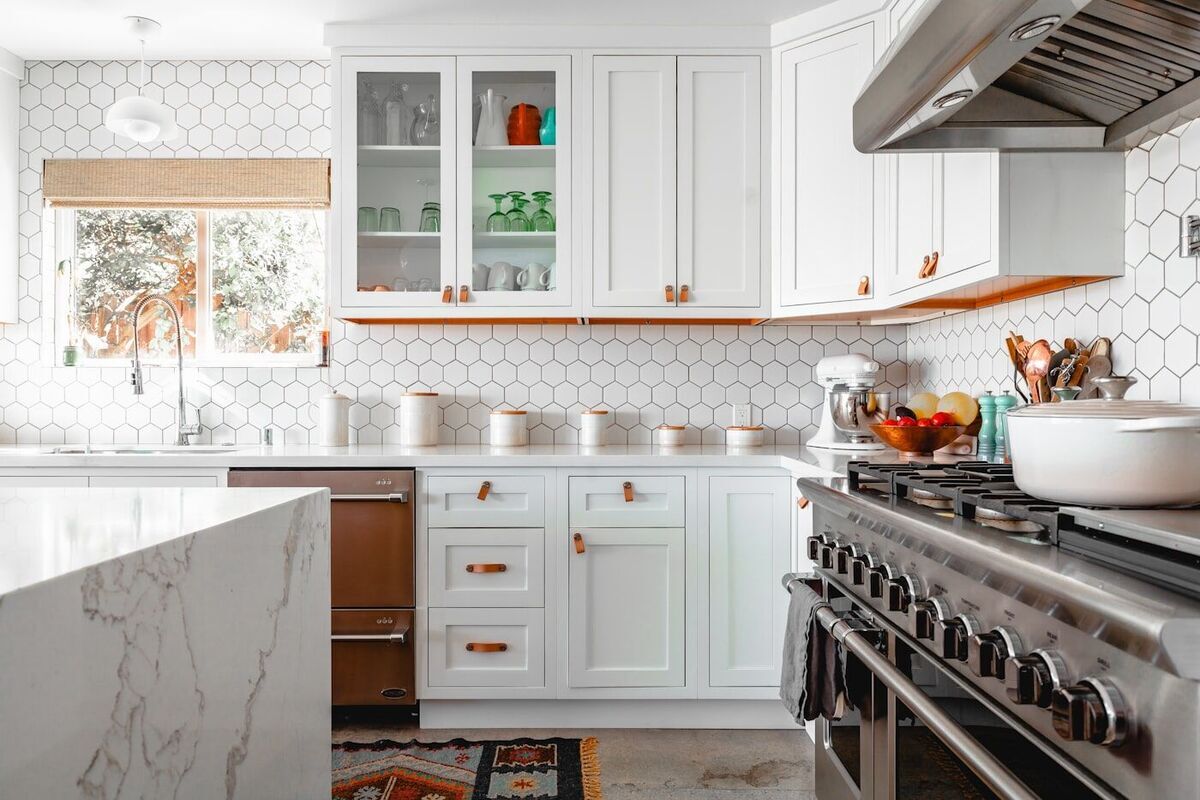
In kitchens and bathrooms, concentrate on cleanliness, working fittings and clear surfaces. Replacing an entire kitchen is a substantial decision and should have a defined purpose. If the existing room functions well, smaller maintenance or presentation tasks may deserve attention first. Keep the choices consistent with the rest of the house rather than creating a single highly finished space surrounded by unfinished jobs.
Make outdoor areas understandable
Outside, buyers need to understand the entrance, parking and usable garden space. Trim vegetation where it obscures a path and remove loose items that make access difficult. Show where people can sit, store outdoor equipment or move between the house and garden. This is useful for both a standalone home and a compact property where every part of the outdoor area has a job.
Consider upkeep as well as appearance. A large garden may appeal to someone who enjoys gardening, while another buyer may prefer a simple courtyard. Neither needs to be presented as suitable for everyone. Make the existing arrangement tidy and legible. If there is a shared driveway or another shared area, keep the physical presentation clear without implying that the space belongs exclusively to the home.
Choose a manageable scope
Put the proposed jobs in a practical order. Necessary investigation comes before repairs, and repairs come before final cleaning or styling. Avoid beginning a project that cannot be completed properly within your preparation period. An unfinished improvement can leave buyers uncertain about what remains to be done. A smaller, completed scope is easier to explain and easier for visitors to assess.
Finally, review the property in ordinary daylight and use each main entrance as a visitor would. Check that rooms are accessible, outdoor routes are clear and any work areas are safely managed. The objective is a home that can be viewed openly and understood easily. Thoughtful preparation helps buyers focus on its layout, condition and suitability, while leaving them room to decide how they would make it their own.